
During the Second World War, many of the Bank’s departments were evacuated to Hampshire where offices were built, blood transfusion centres set-up, and local food produce grown. For staff that remained in the heart of London, they had to practice life-saving processes such as Air Raid Precautions (ARP).
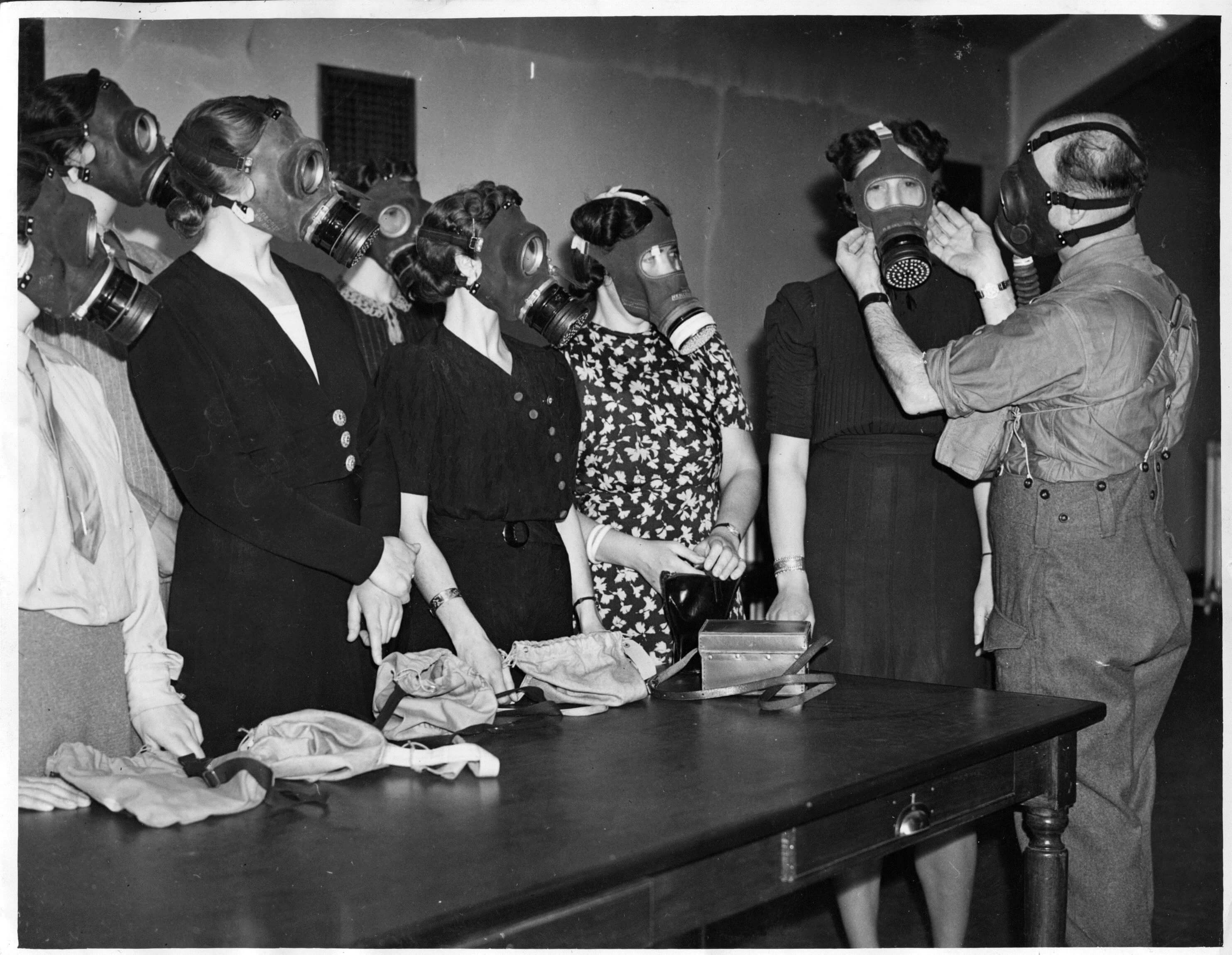
Photograph of Air Raid Precautions (ARP) gas mask testing at Threadneedle Street. (Archive 15A13/1/4/12, c.1942)
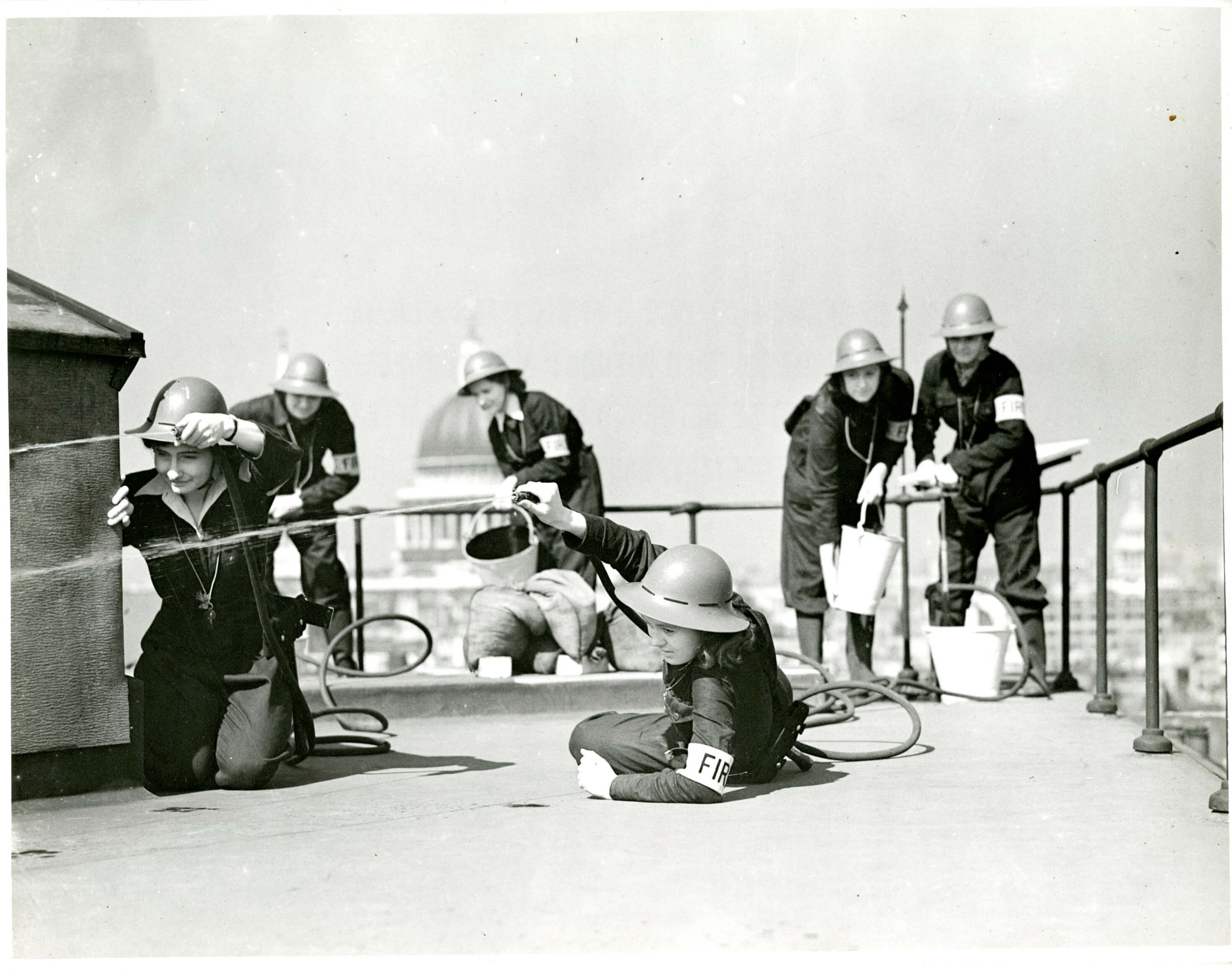
Women fire guards training to use stirrup pumps and hoses. (Archive 15A13/1/4/27 c.1942)
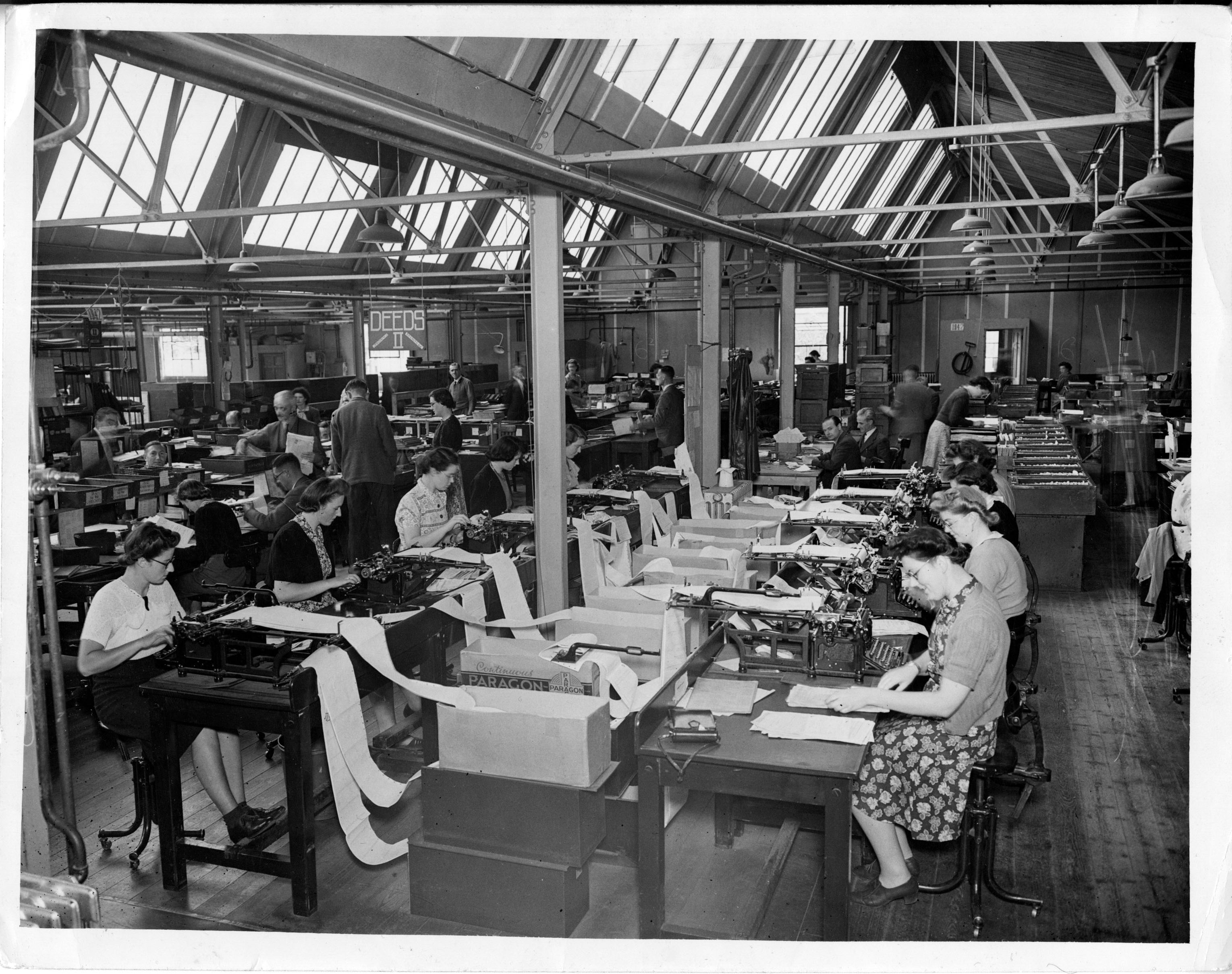
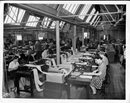
Typists working in the fanfold typewriting section. This was located at Hurstbourne Camp where many Bank of England staff were evacuated to during the Second World War. (Archive 15A13/15/66 c.1942)
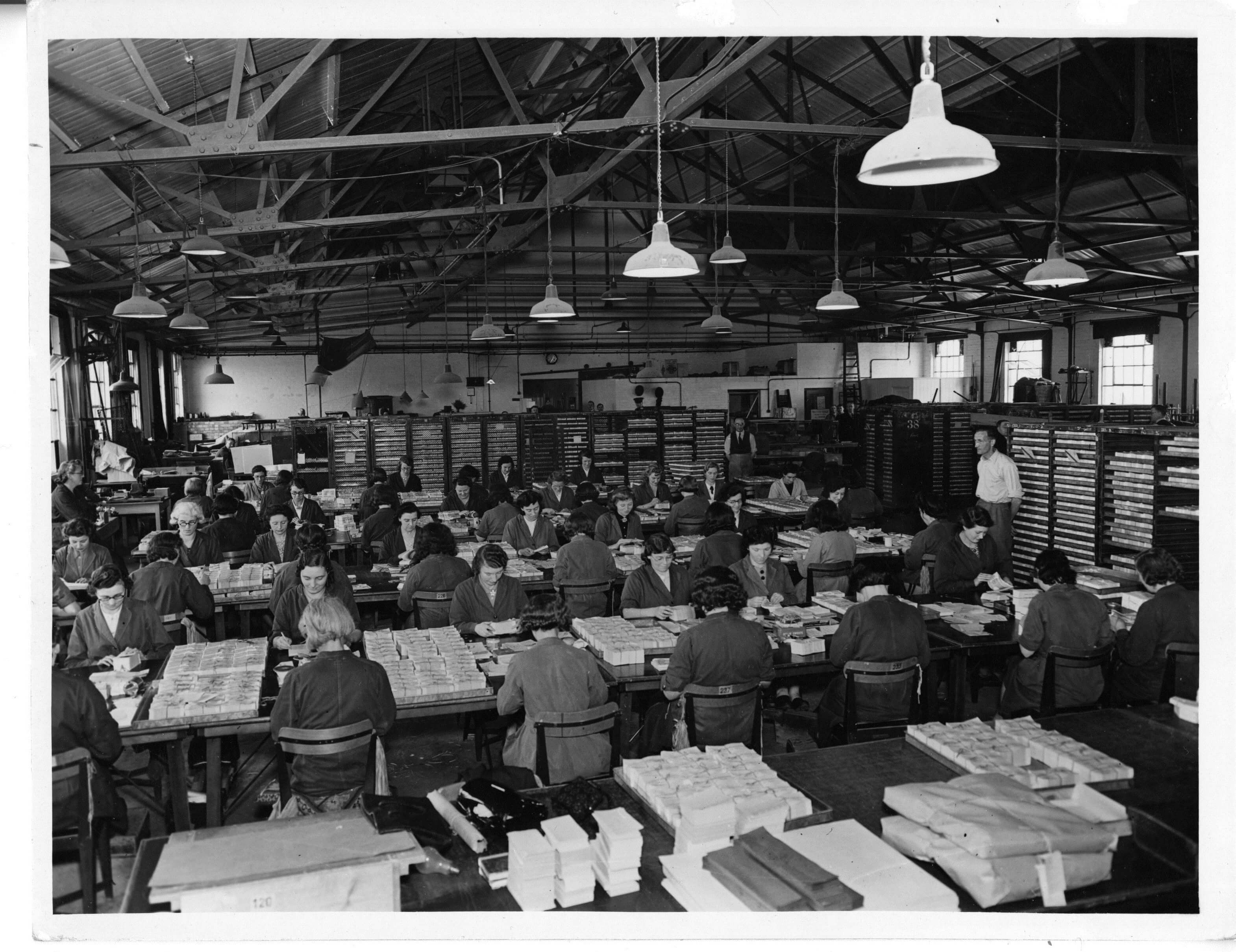
Final note examinations taking place at the Overton evacuation camp in Hampshire. (Archive 15A13/15/123 c.1942)
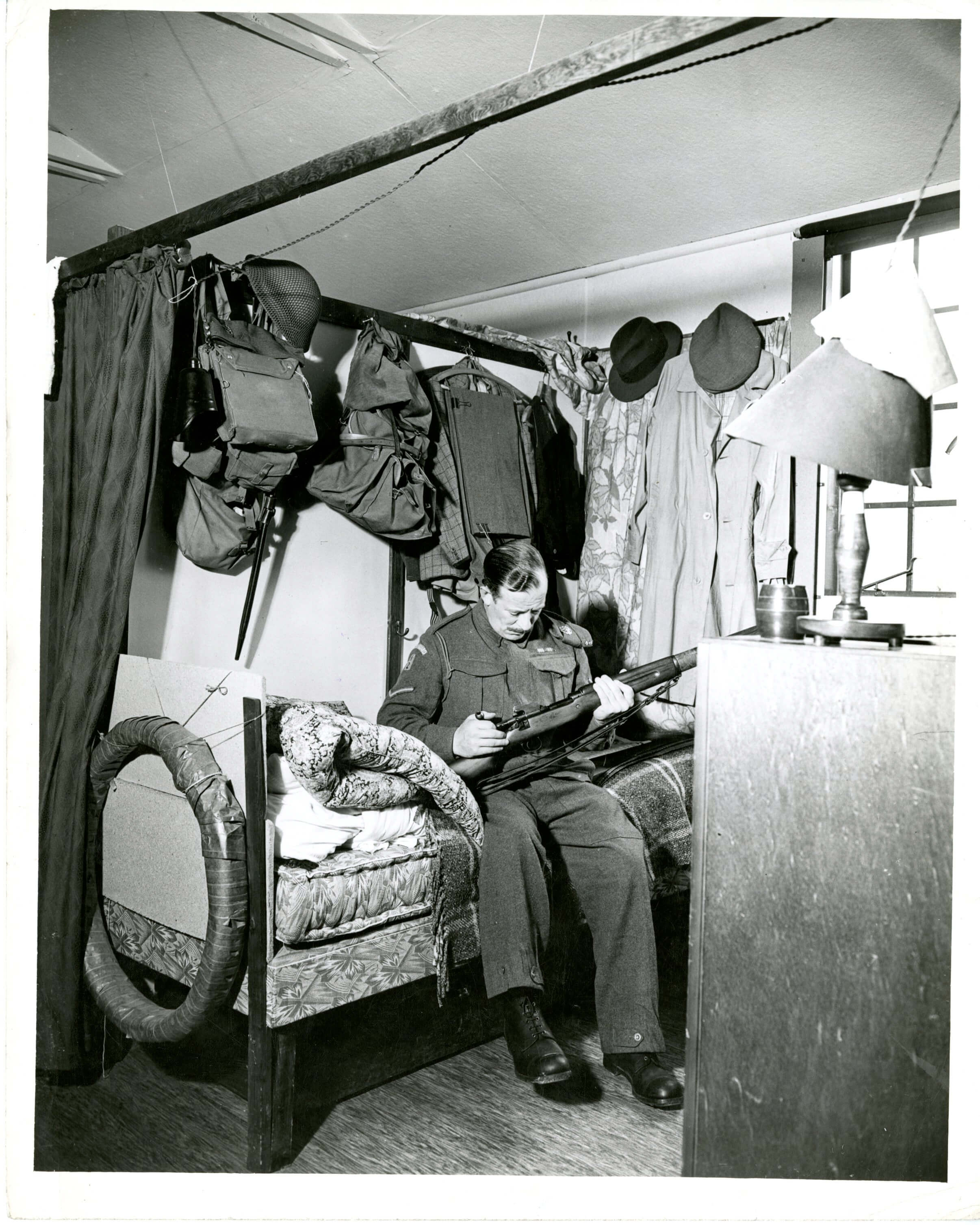
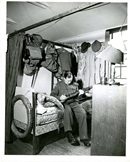
An interior view of the men’s sleeping hut at Hurstbourne Camp. The Dividend Preparation Office, Accountant’s Department and parts of Establishment Department were some of the areas of the Bank to be evacuated to Hampshire during the Second World War. (Archive 15A13/15/26 c. 1942)
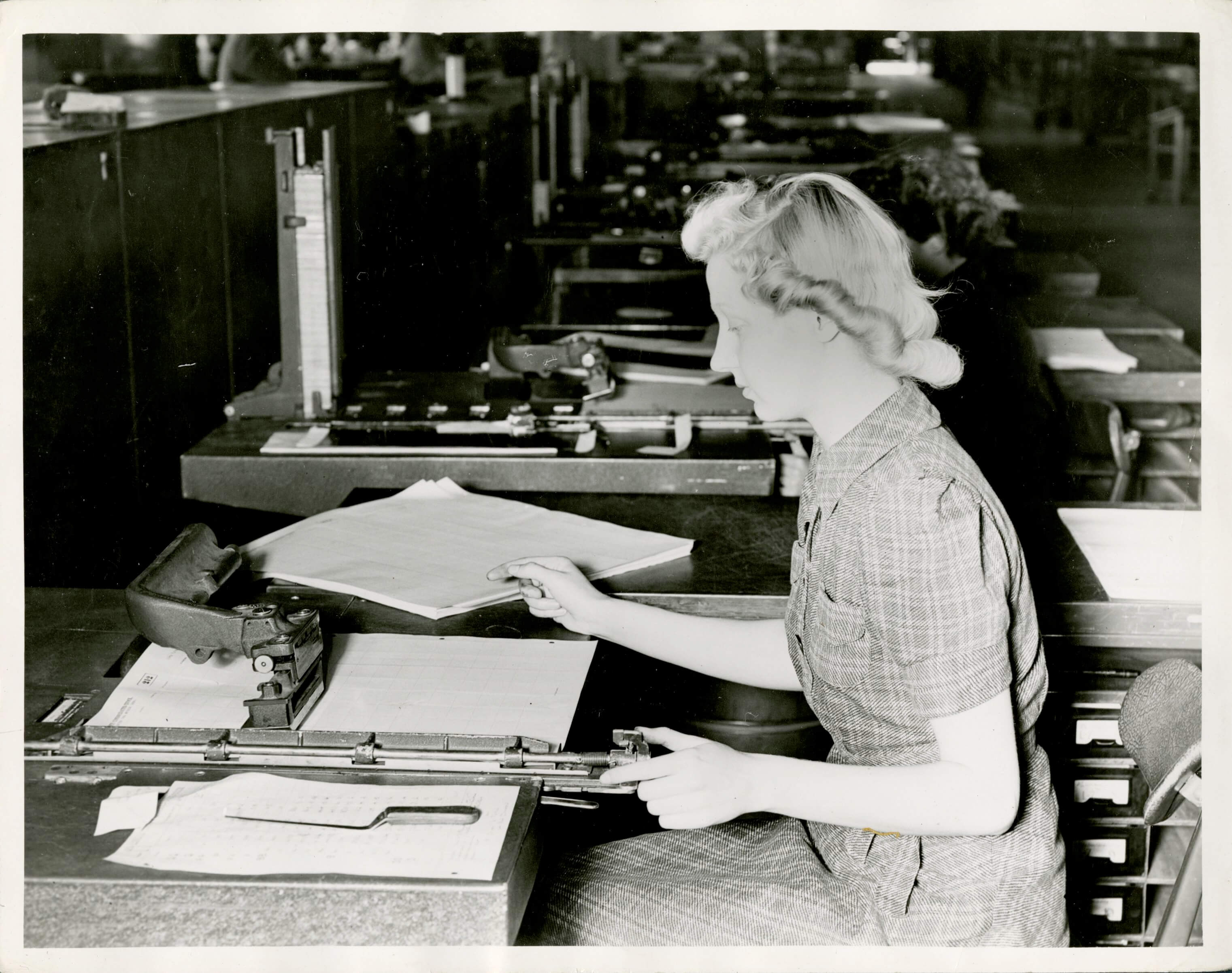
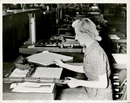
A member of staff operating a dividend book printing machine at Overton camp. (Archive 15A13/15/127 c. 1942)
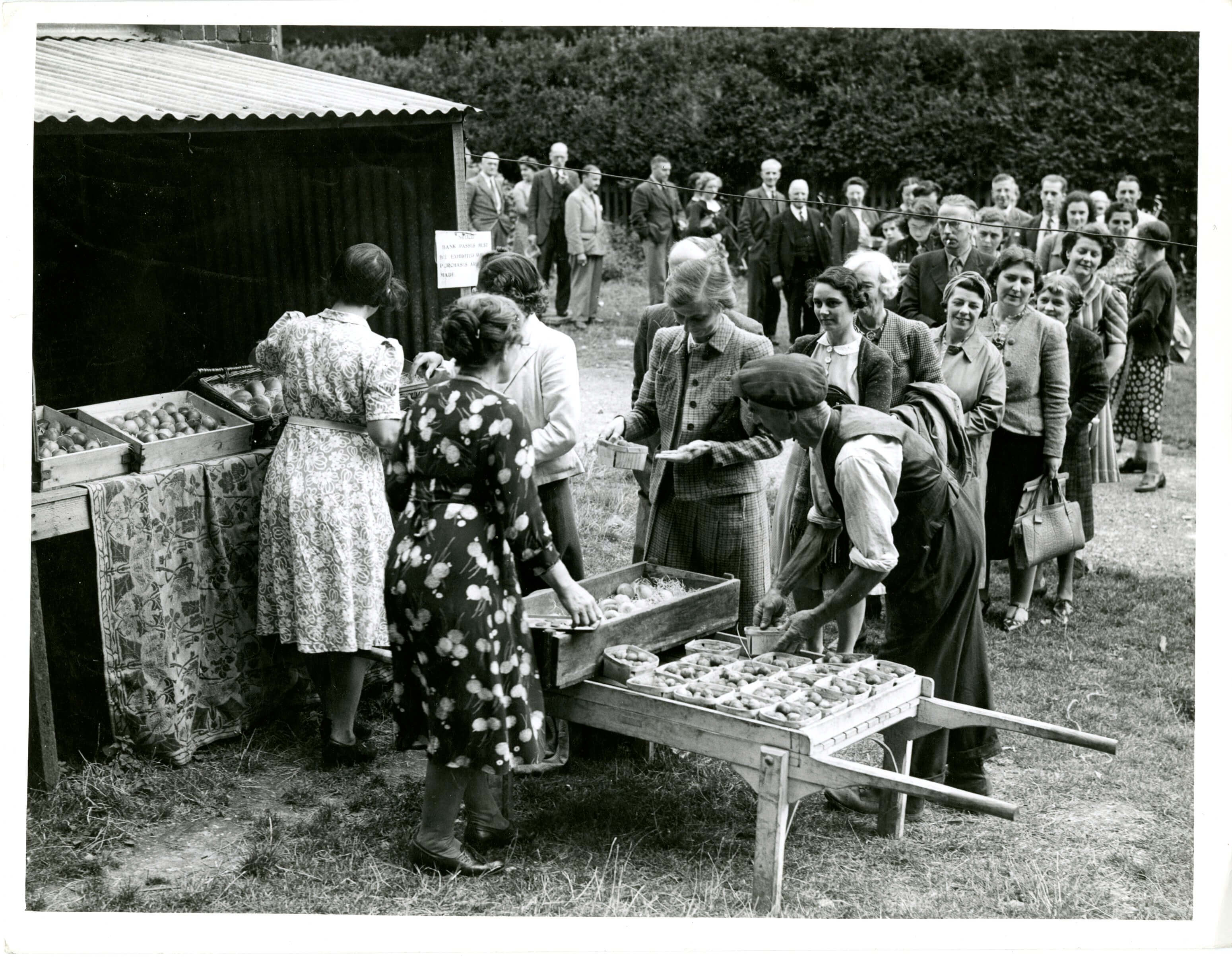
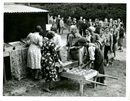
Bank of England staff waiting to purchase fruit at Hurstbourne camp during the Second World War evacuation. Staff had to quickly adapt to a rural lifestyle where many lived communally. (Archive 15A13/15/35 c.1942)
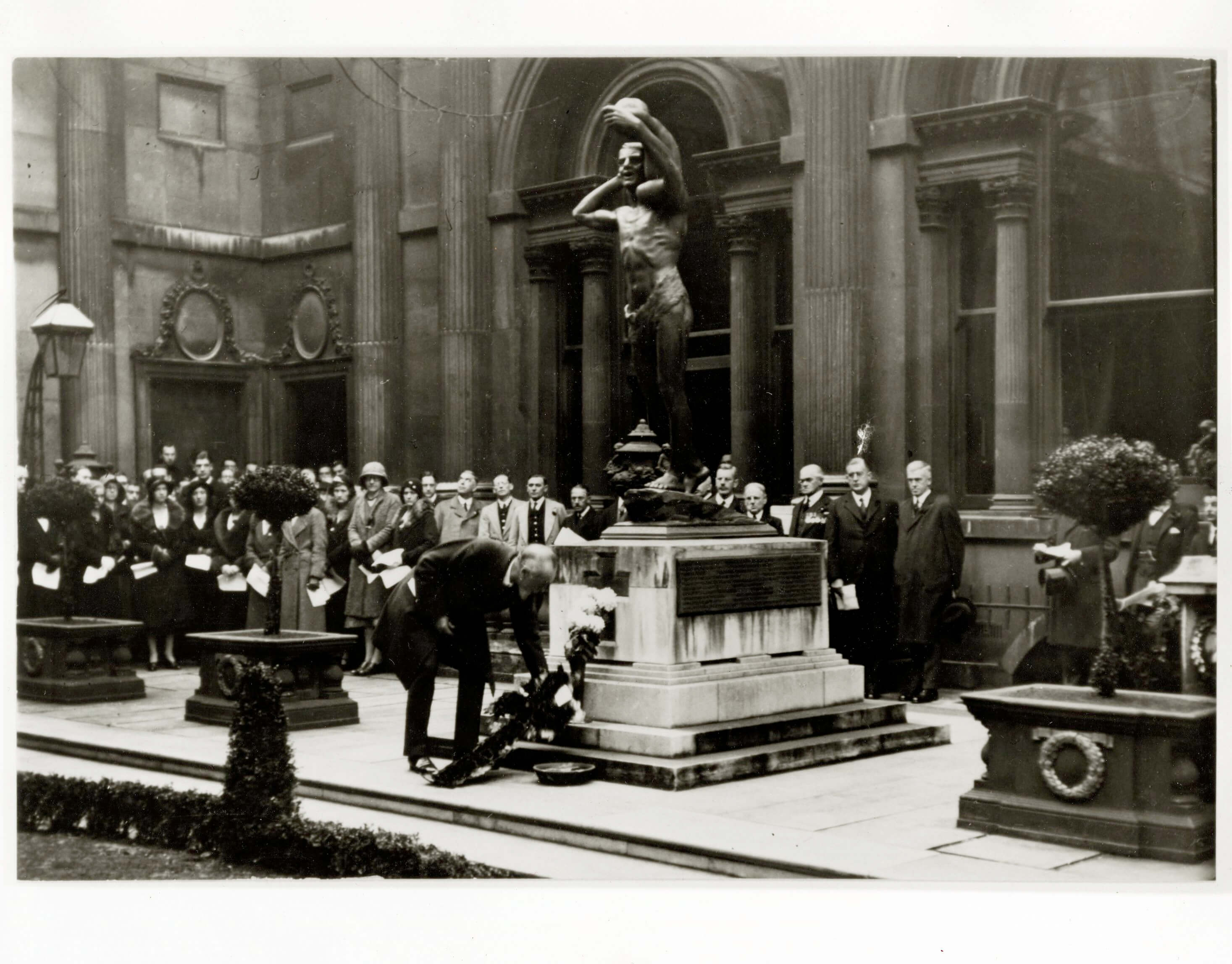
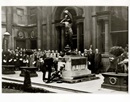
Lord Norman laying a wreath at the St Christopher’s statue war memorial in Garden Court at the Bank of England on Armistice Day. (Archive HOG 25. 1931)
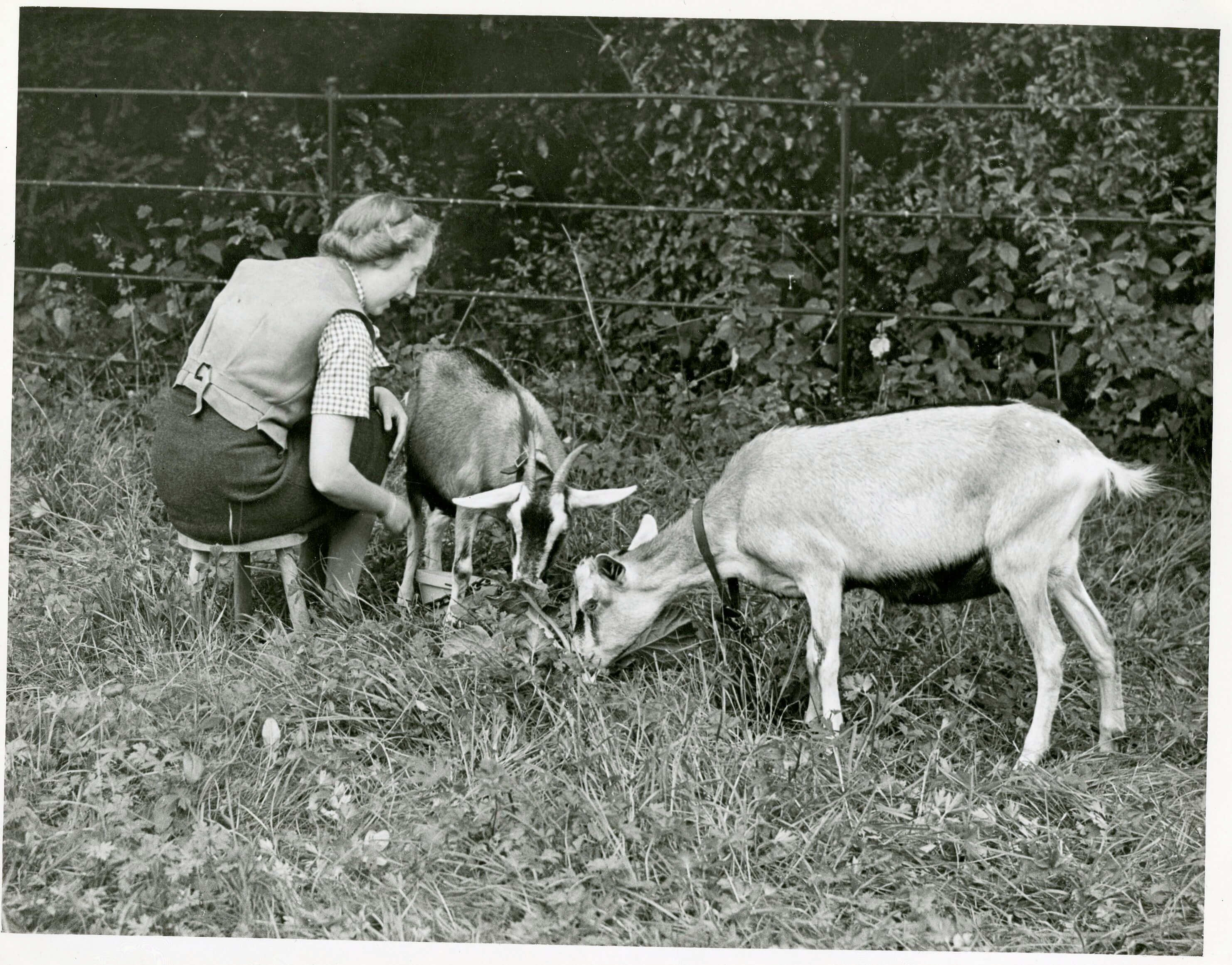
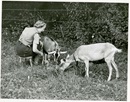
Life during evacuation was sustainable, with staff getting involved with the local harvest and the maintenance of vegetable allotments. Lots of animals were also managed by staff such as chicken, pigs, and also goats! (Archive reference: 15A13/15/90 c.1942)
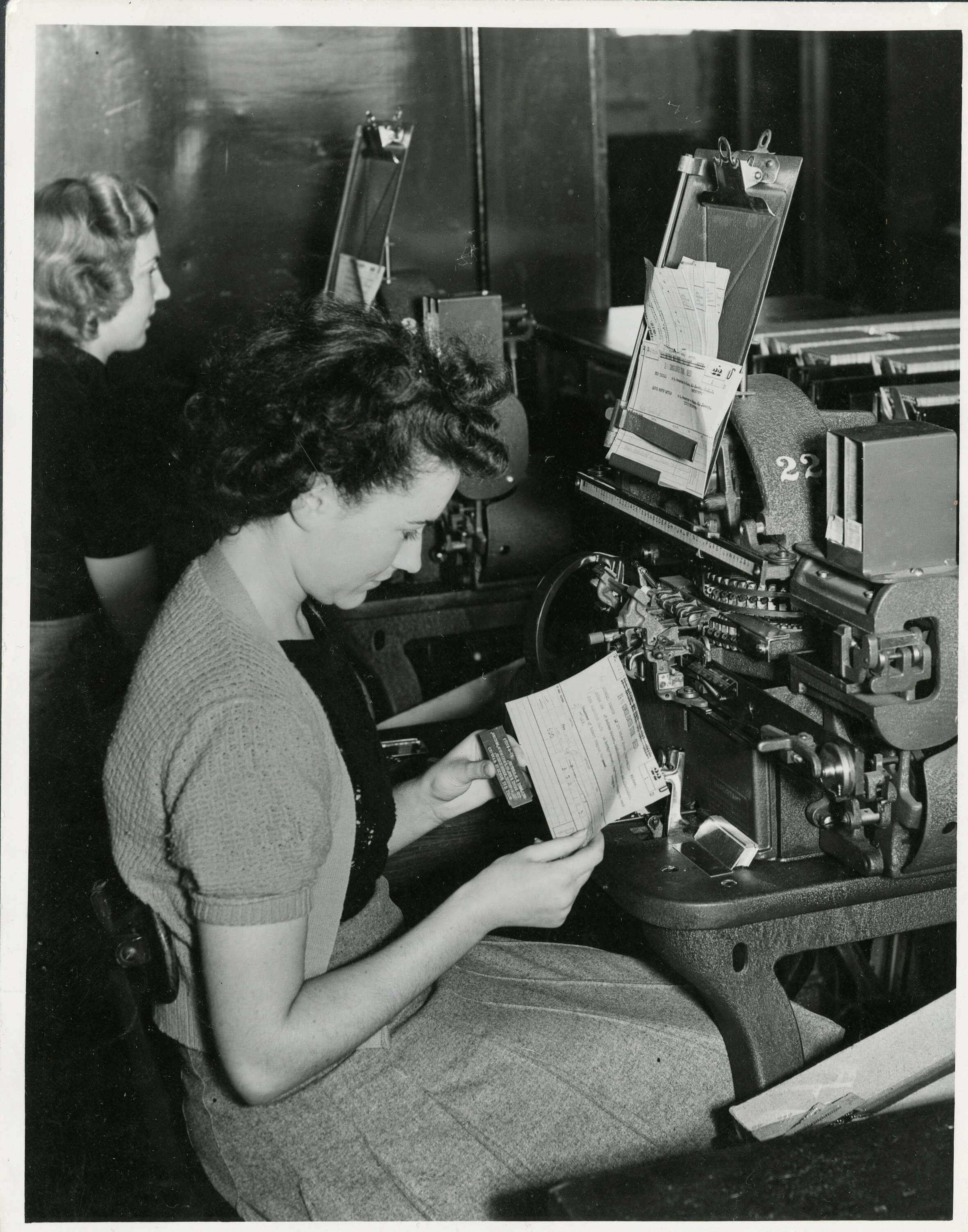
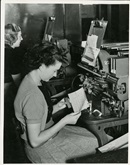
Lots of machinery was in operation during the Second World War. This photograph shows a member of staff operating a graphotype stencil cutting machine. (Archive reference: 15A13/15/130, c1942)

Unpublished war histories
Staff member John Osborne was working in the Chief Cashier’s Office and as part-time personal secretary to Governor Montagu Norman when he was asked to write a history of the Bank’s activities during the Great War. Read these histories at the links below.
This page was last updated 17 February 2023